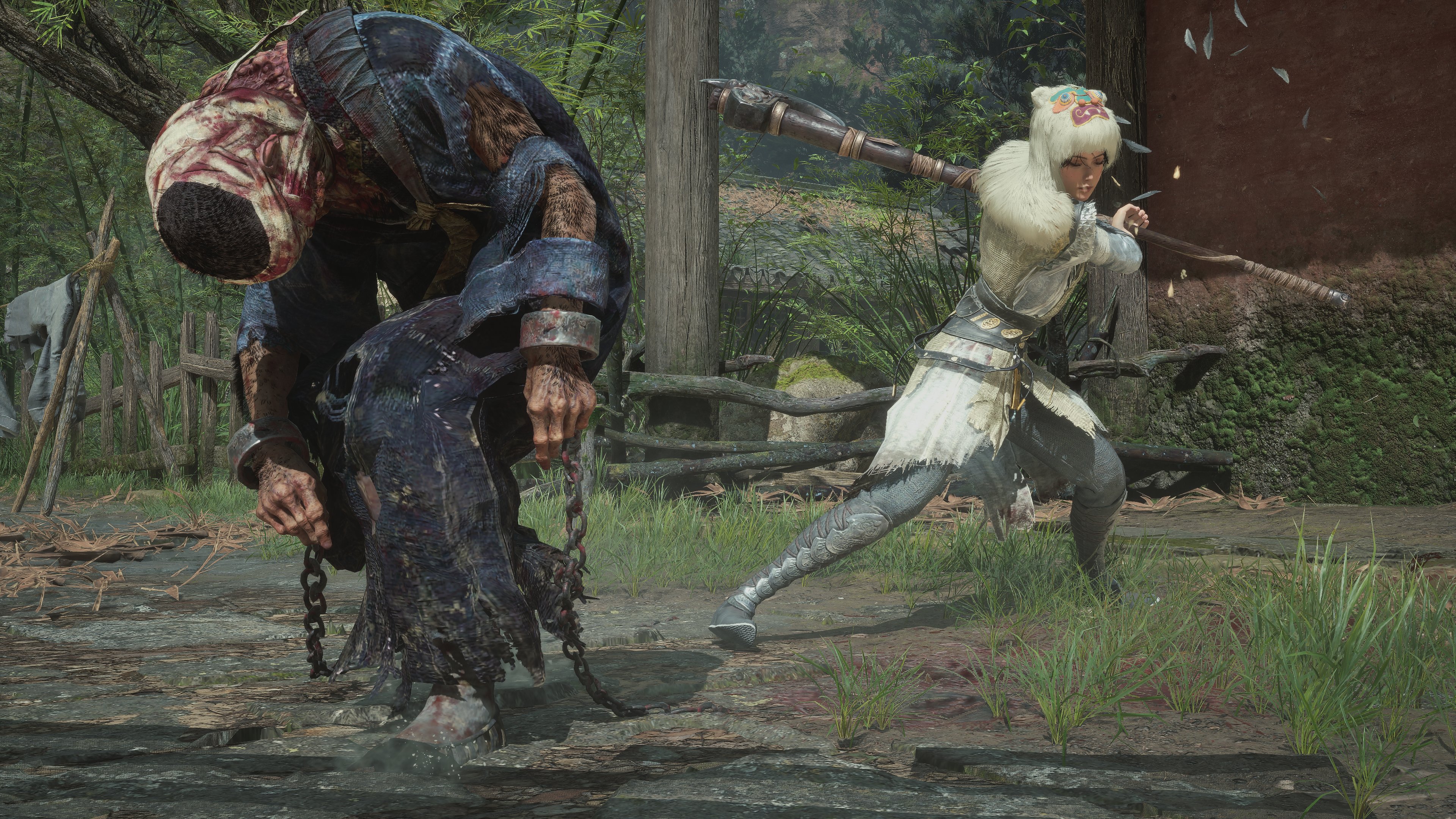
Dying Light: The Beast's co-op multiplayer mode transforms the survival horror experience into an exciting team-based adventure. Whether you're playing with friends or joining random players, mastering the art of cooperative play is essential for surviving the zombie apocalypse together.
Getting Started with Co-op
How to Join or Host a Game
- Hosting a Game: Start a new game or load an existing save, then invite friends or set the game to public.
- Joining a Game: Use the multiplayer menu to browse available games or join friends directly.
- Cross-Platform Play: Dying Light: The Beast supports cross-platform play between PC, PlayStation, and Xbox.
- Save Progression: Your progress is saved individually, so you can continue your story in both single-player and co-op modes.
Co-op Requirements
- Internet Connection: Stable internet connection required for online co-op play.
- Platform Compatibility: All players must have the same version of the game.
- Friend System: Add friends through your platform's friend system for easy invites.
Team Coordination Strategies
Communication is Key
- Voice Chat: Use in-game voice chat or external communication apps like Discord for real-time coordination.
- Text Chat: Use text chat for quick messages and strategy discussions.
- Marker System: Use the in-game marker system to point out important locations and objectives.
- Callouts: Develop a system of callouts for different enemy types and situations.
Role Assignment
- Scout: One player focuses on exploration and finding resources.
- Combat Specialist: Another player handles most of the fighting and enemy engagement.
- Support: A third player provides healing and support during combat.
- Objective Handler: The fourth player focuses on completing main objectives and side missions.
Combat Coordination
Team Combat Tactics
- Flanking Maneuvers: Coordinate attacks from multiple angles to overwhelm enemies.
- Focus Fire: Concentrate fire on high-priority targets like Volatiles or special infected.
- Cover Fire: One player provides covering fire while others advance or retreat.
- Combo Attacks: Coordinate attacks to create devastating combo effects.
Specialized Combat Roles
- Ranged Support: Use crossbows and firearms to provide long-range support.
- Melee Tank: Engage enemies in close combat to protect ranged teammates.
- Explosives Expert: Handle grenades and explosive weapons for area damage.
- Stealth Specialist: Perform silent takedowns and reconnaissance missions.
Resource Management in Co-op
Sharing Resources
- Medical Supplies: Share medkits and bandages with injured teammates.
- Ammunition: Distribute ammunition based on each player's weapon preferences.
- Crafting Materials: Pool crafting materials to create better equipment for the team.
- Food and Water: Ensure all team members have adequate supplies for extended missions.
Inventory Management
- Specialization: Each player should carry different types of equipment to maximize team efficiency.
- Backup Equipment: Keep spare weapons and equipment for teammates who lose theirs.
- Resource Distribution: Assign specific players to carry certain types of resources.
Mission Coordination
Objective Planning
- Mission Briefing: Discuss objectives and strategies before starting missions.
- Route Planning: Plan the safest and most efficient routes to objectives.
- Contingency Plans: Develop backup plans for when things go wrong.
- Role Rotation: Rotate roles between missions to keep gameplay fresh.
Side Mission Coordination
- Parallel Objectives: Split up to complete multiple side missions simultaneously.
- Resource Gathering: Assign players to gather specific resources while others handle objectives.
- Exploration Teams: Send smaller teams to explore different areas of the map.
Advanced Co-op Strategies
Night Survival
- Buddy System: Never go out alone at night. Always travel in pairs or groups.
- UV Light Coordination: Coordinate UV light usage to maximize coverage and effectiveness.
- Safe Zone Rotation: Rotate between safe zones to avoid being trapped in one location.
- Volatile Avoidance: Use stealth and coordination to avoid Volatile encounters.
Beast Mode Coordination
- Staggered Activation: Don't activate Beast Mode simultaneously. Stagger activations for maximum coverage.
- Protection Detail: Non-Beast Mode players should protect those in Beast Mode from ranged attacks.
- Objective Focus: Use Beast Mode to clear difficult objectives or rescue downed teammates.
PvP Multiplayer
Be the Zombie Mode
- Team Communication: Coordinate with other human players to defeat the Night Hunter.
- Defensive Strategies: Work together to defend objectives and safe zones.
- Offensive Tactics: Coordinate attacks on the Night Hunter to maximize damage.
Competitive Modes
- Team Deathmatch: Coordinate with teammates to eliminate opposing players.
- Capture the Flag: Assign roles for offense, defense, and flag carrying.
- King of the Hill: Coordinate to control key areas of the map.
Tips for Success
General Co-op Tips
- Stay Together: Don't wander off alone unless absolutely necessary.
- Watch Each Other's Backs: Always be aware of your teammates' positions and status.
- Revive Priority: Always prioritize reviving downed teammates over other objectives.
- Share Information: Communicate about enemy locations, resources, and objectives.
Building Team Chemistry
- Regular Play Sessions: Play regularly with the same group to build chemistry and coordination.
- Learn Each Other's Playstyles: Understand how each teammate prefers to play and adapt accordingly.
- Practice Different Roles: Practice different roles to be flexible in various situations.
- Constructive Feedback: Provide constructive feedback to help teammates improve.
Common Co-op Mistakes to Avoid
- Poor Communication: Failing to communicate effectively with teammates.
- Resource Hoarding: Not sharing resources with teammates who need them.
- Lone Wolf Behavior: Going off alone and not coordinating with the team.
- Ignoring Teammates: Not paying attention to teammates' needs and status.
- Poor Role Assignment: Not assigning or following assigned roles effectively.
Conclusion
Co-op multiplayer in Dying Light: The Beast offers a unique and exciting way to experience the zombie apocalypse. By following these strategies and tips, you and your teammates can work together effectively to survive and thrive in the post-apocalyptic world.
Remember, successful co-op play is about communication, coordination, and mutual support. Take the time to build chemistry with your teammates, and don't be afraid to experiment with different strategies to find what works best for your group.
Whether you're playing with friends or joining random players, the key to success is always working together as a team. The zombie apocalypse is a dangerous place, but with the right team and strategies, you can overcome any challenge that comes your way.